Applications
Best Materials for Exterior Walls
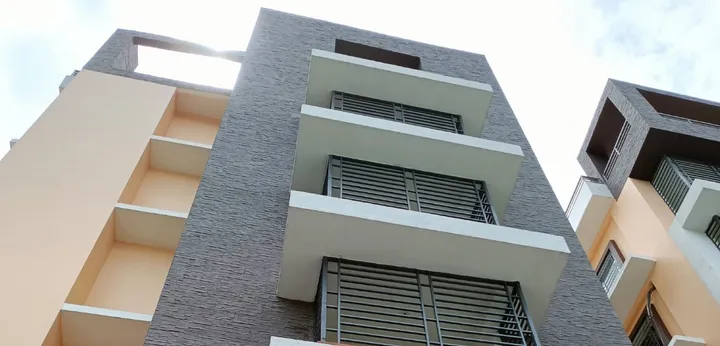
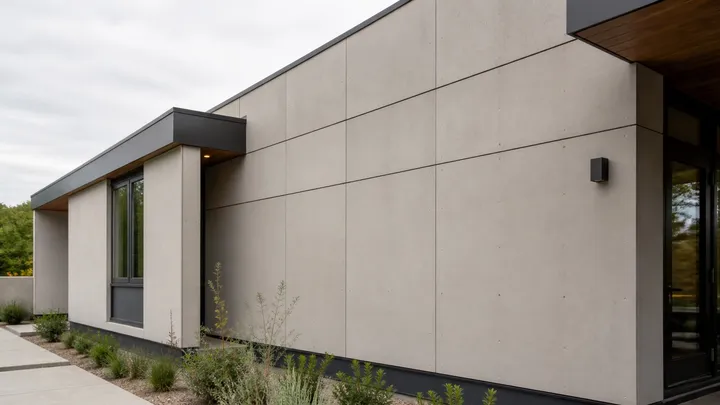
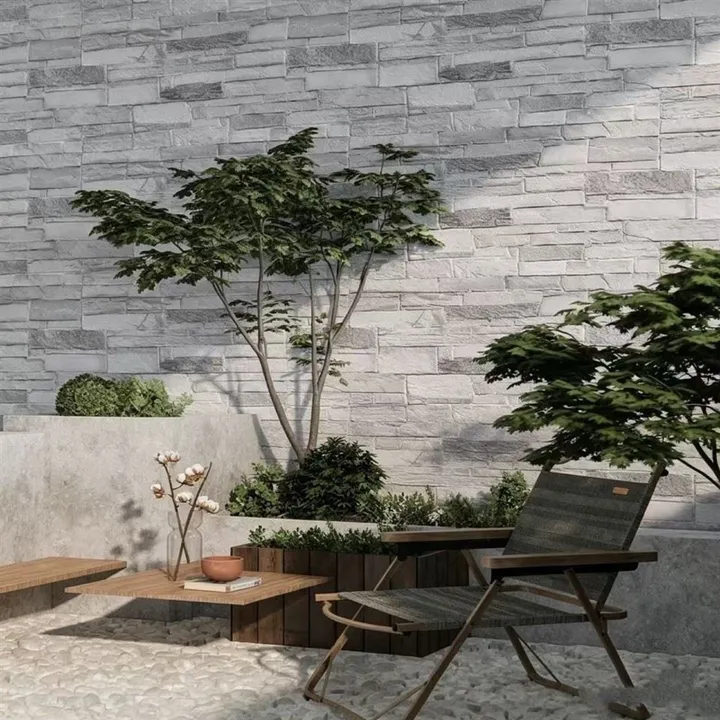
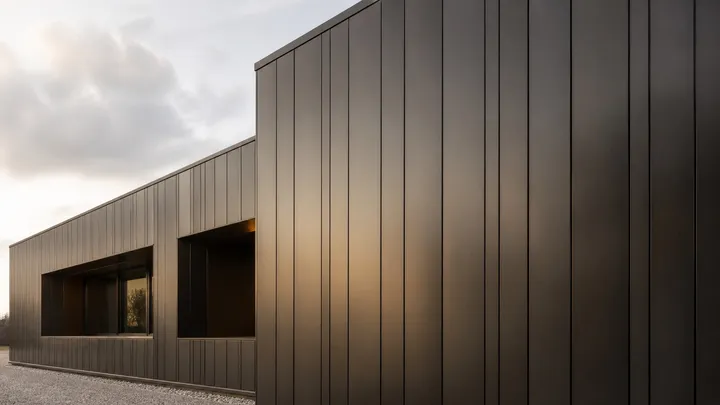
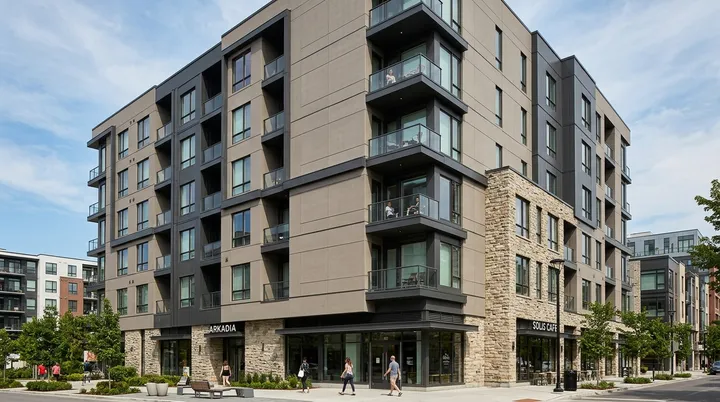
Compare the best materials for exterior walls — fiber cement, metal panels, porcelain slabs, and stone veneer — evaluated by climate, fire codes, and rainscreen design.
Author profile
Research, fact-checking, and standards desk
Jack Dean maintains source records, correction procedures, content-method disclosures, and periodic reviews across the publication.
Published work
Compare the best materials for exterior walls — fiber cement, metal panels, porcelain slabs, and stone veneer — evaluated by climate, fire codes, and rainscreen design.
Cultured stone, or manufactured stone veneer, explained through ASTM C1670 and C1780, including the water-management failures that dominate its record.
What changes when a finish material goes outside — absorption, freeze-thaw, fire at assembly level, thermal movement and the drainage plane behind everything.
Fiber cement cladding explained — what ASTM C1186 covers, why cutting it is a regulated silica exposure, and what the substrate and finishing demands are.
Fiber cement and metal cladding compared on standards, fire compliance, site handling, thermal movement and the maintenance cycle each one commits you to.
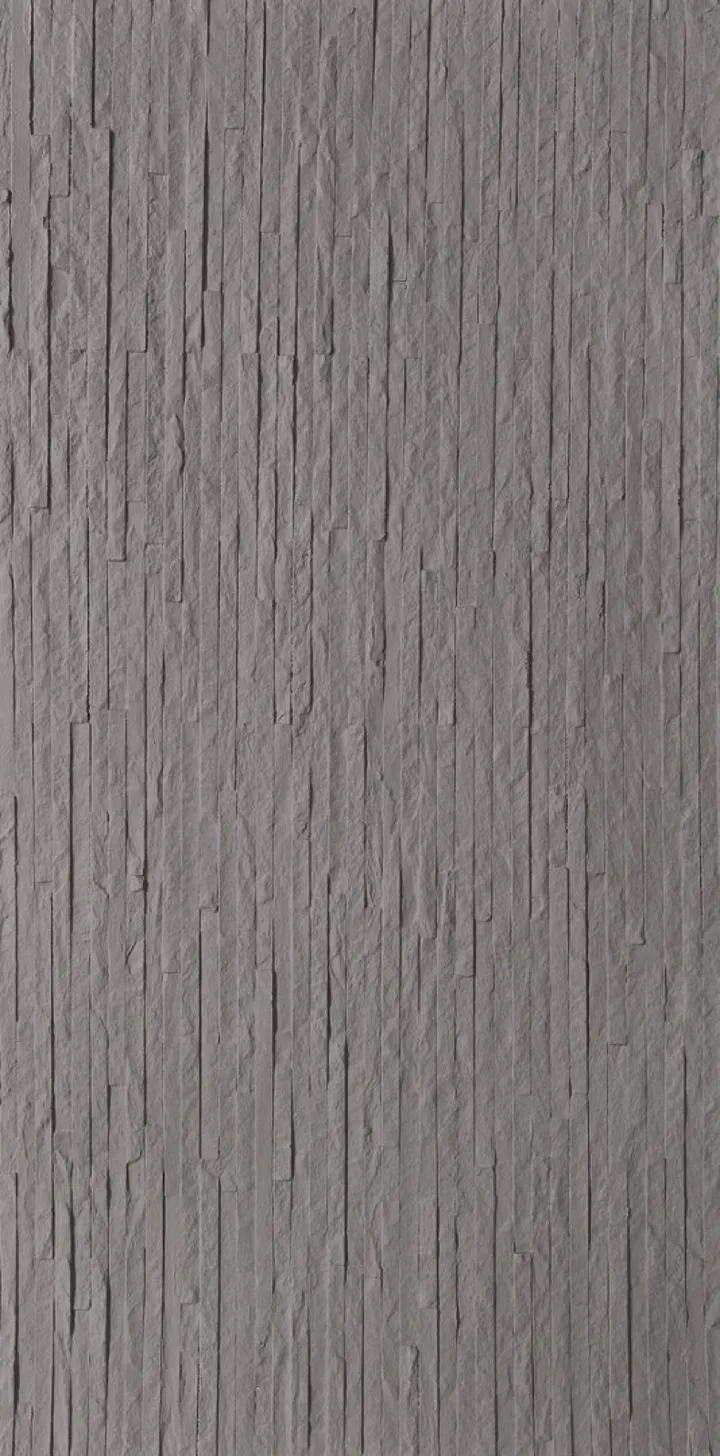
Flexible stone veneer explained, including the standards gap that makes every performance figure a product claim rather than a category property.
Flexible stone veneer and natural stone veneer compared on weight, standards, exposure limits and where each option is the only workable choice.
A working sequence for selecting finish materials — establish the constraints first, then shortlist, then verify against the assembly rather than the product.
Metal wall panels and composite panels explained, including NFPA 285 assembly testing and why core material controls facade suitability.
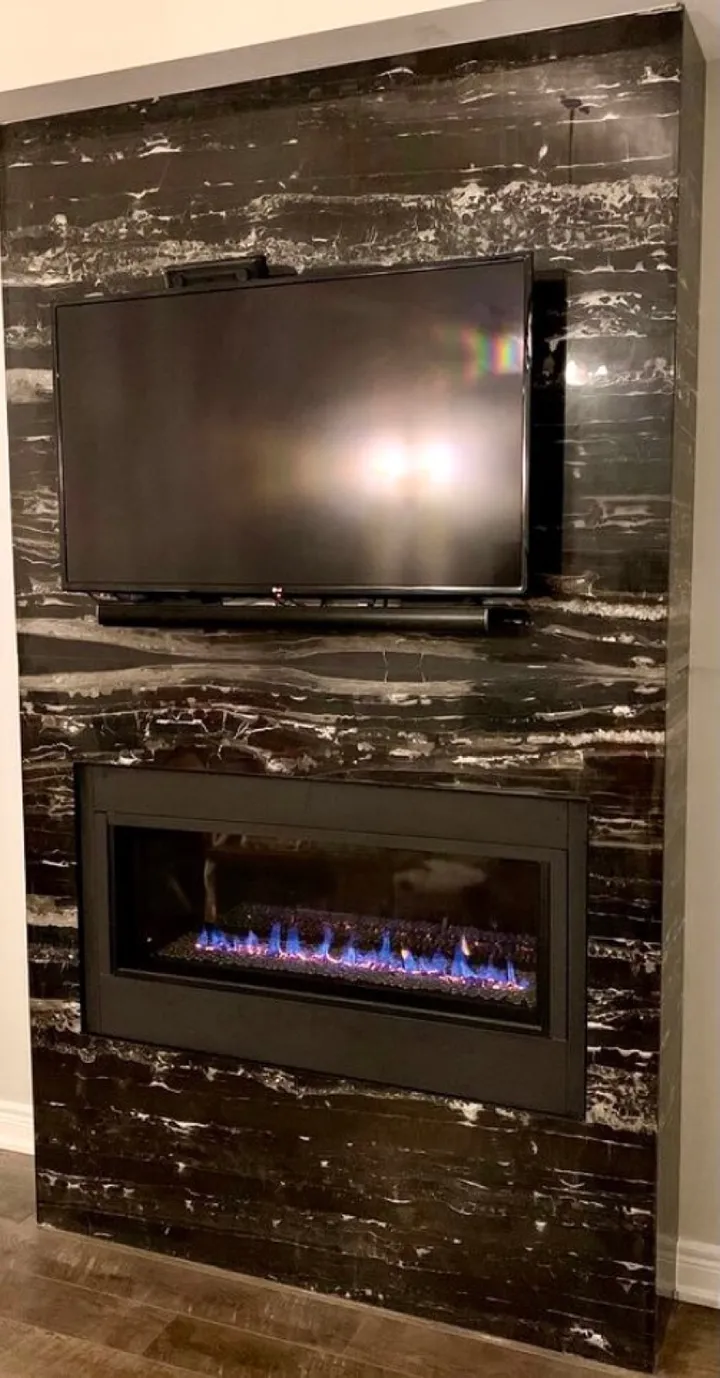
What natural stone veneer is, how the code's weight limits decide between adhered and anchored, and the substrate and drainage conditions it depends on.
Large-format porcelain slabs and natural stone veneer compared on absorption, format, fixing method, damage behaviour and what each costs beyond the material.
Large-format porcelain slabs explained through ISO 13006, including what their low absorption does and does not solve on a facade.
Natural stone veneer and cultured stone compared on standards coverage, appearance, weight, damage behaviour and the conditions that favour each.
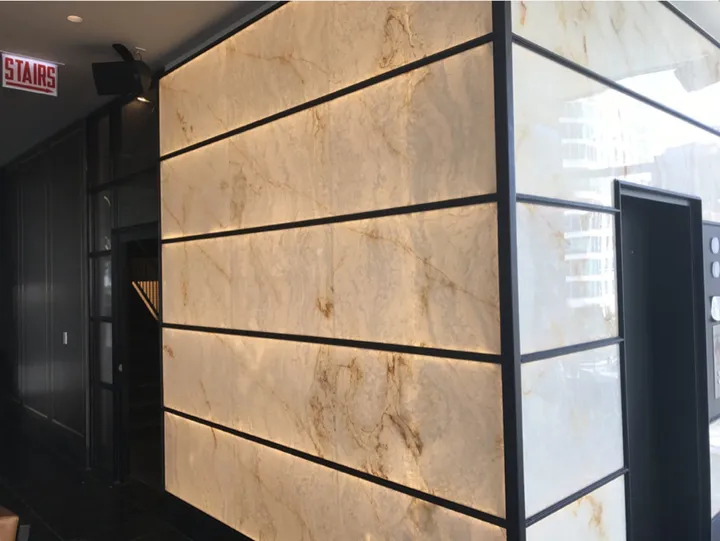
Thin stone veneer explained — why the material is sawn thin, how that changes the support requirement, and where the saving in weight stops being a saving.
Building materials organized by the job they do, with the different criteria used to select finishes, structure, insulation and other systems.
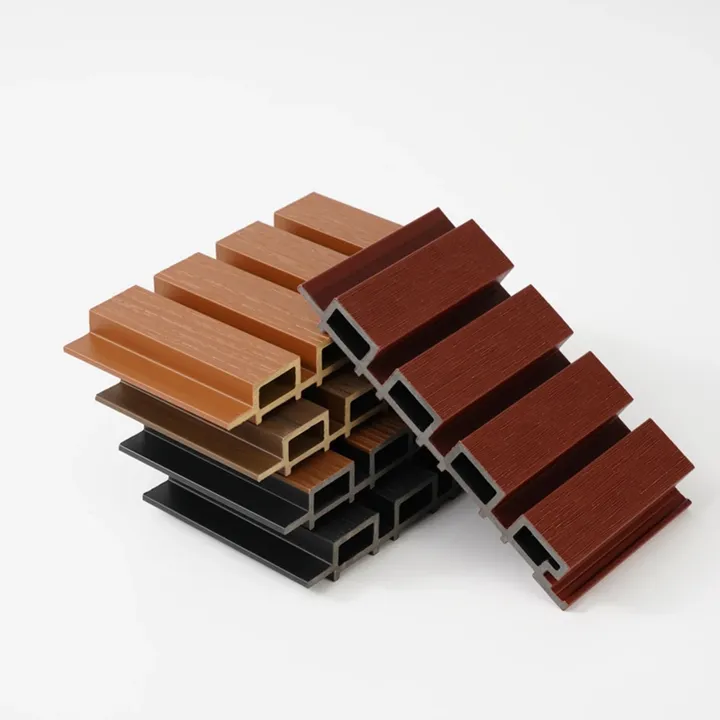
WPC wall panels explained, including the decking-standard gap, thermal movement, exposure limits and practical installation questions.